PADEL GUIDES & TACTICAL PLAYBOOKS
Explore complete guides covering court rules, racket engineering, signature overheads, and comparative sports analysis.
The Ultimate Padel Guide (2026): Rules, Rackets, Court Physics & Tactical Mastery
The most comprehensive master guide to padel. Master court geometry, glass wall rebound mechanics, racket shape selection, signature overheads, and doubles teamwork.
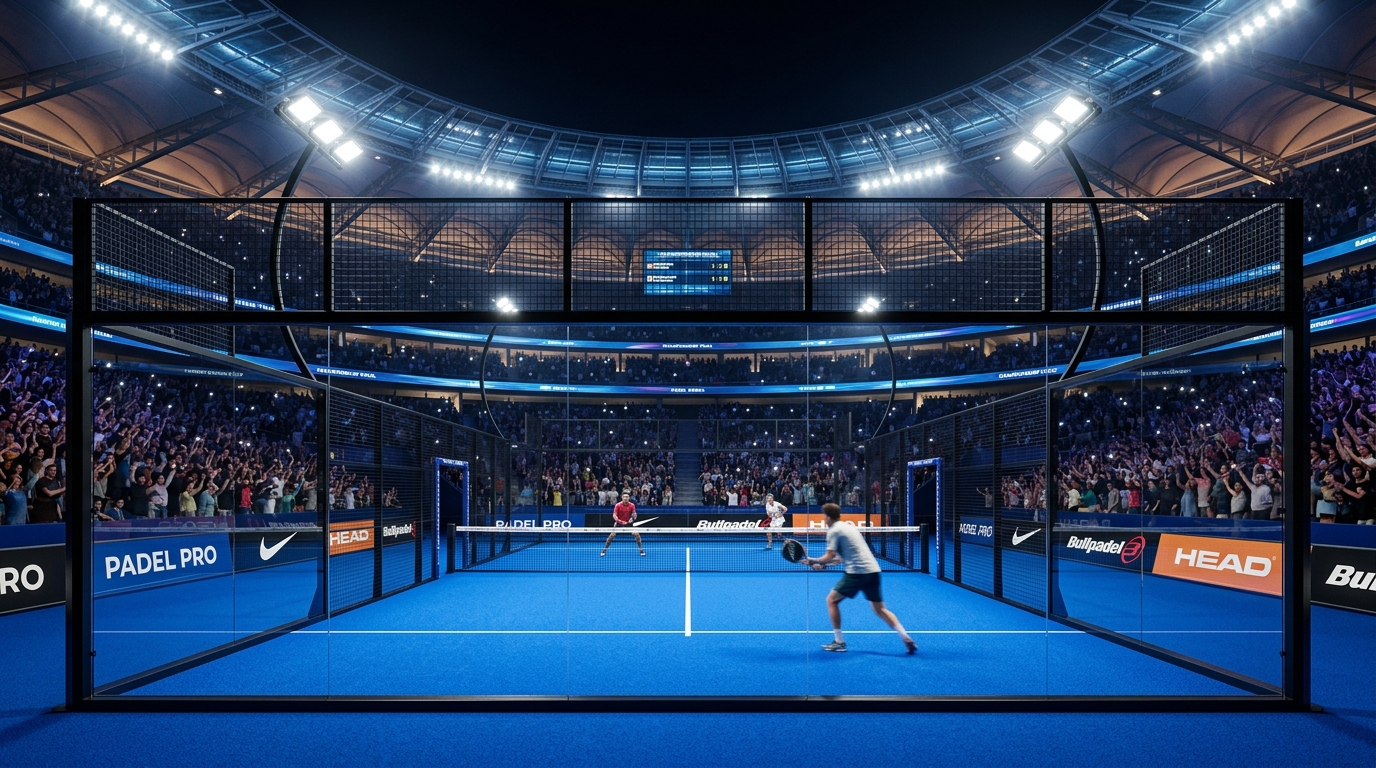
How to Play Padel: Complete Rules
Learn FIP rules, underhand serve regulations, legal glass wall mechanics, and Golden Point scoring.
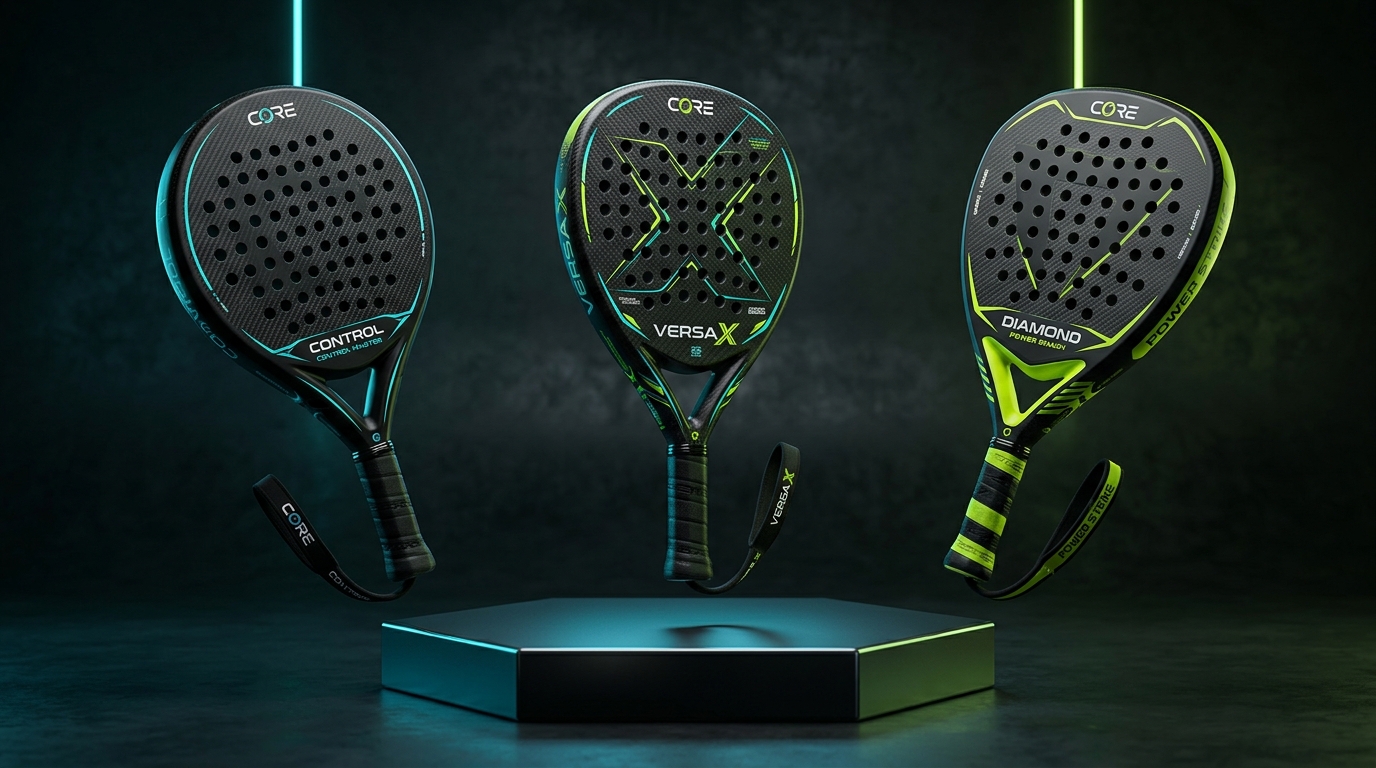
Padel Rackets: Shapes & Foam Specs
Compare Round (Control), Teardrop (Hybrid), and Diamond (Power) shapes with EVA Soft vs Hard cores and 3K/12K carbon.
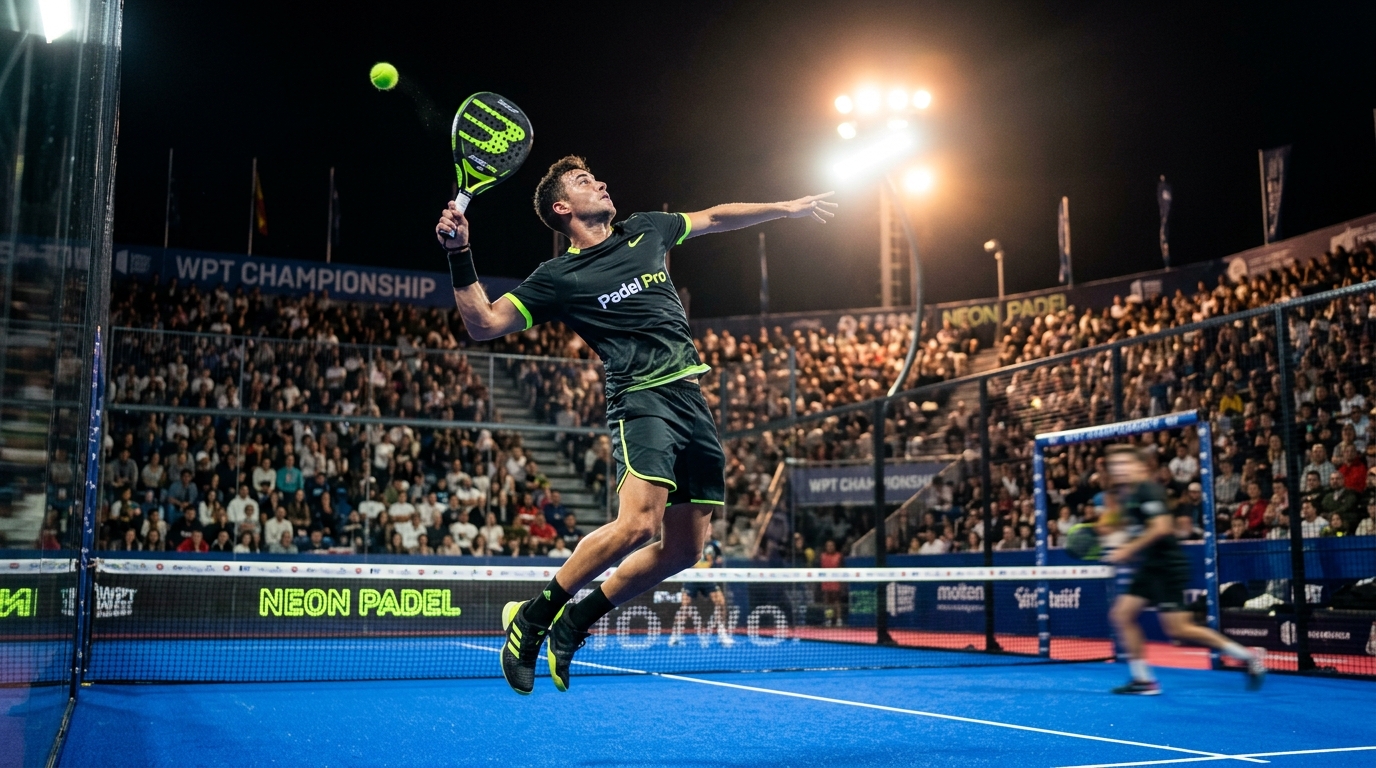
Signature Padel Shot Playbook
Step-by-step biomechanical execution for the Bandeja, Víbora, Remate Por Tres (x3), and dipping Chiquita.
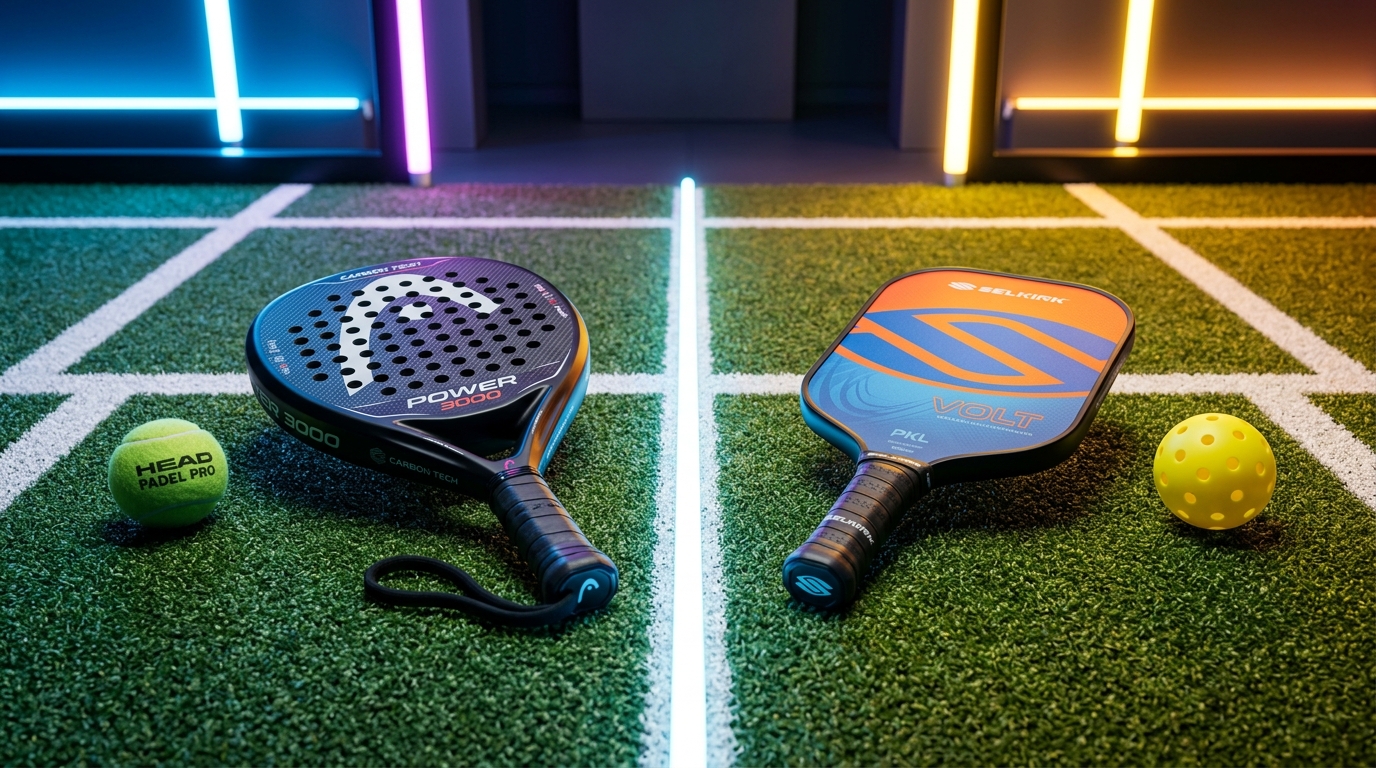
Padel vs Pickleball vs Tennis
Explore the key technical differences in court dimensions, wall enclosures, paddles vs rackets, and ball pressure.
INTERACTIVE COURT EXPLORER
Padel is played on an enclosed 10m × 20m regulation court. Tap or click any section on the court diagram below to inspect FIP rules and wall physics.
The Back Glass (Pared de Fondo)
The ball MUST bounce once on the turf before hitting the back glass. If it hits the glass on the fly, it is out. Once it rebounds off the glass, players can hit it before it bounces a second time.
Use the high bounce off the back glass to execute an offensive 'Bajada de Pared' down the middle channel.
PADEL TACTICAL SIMULATOR
Evaluate your real-time court positioning, wall defense, and attacking decision-making across real championship situations.
Match Situation 1: The Deep Corner Lob
FREQUENTLY ASKED QUESTIONS
Authoritative answers to common questions about regulation padel rules, equipment selection, court mechanics, and tournament play.
What is Padel and how is it different from Tennis and Pickleball?
Padel is a fast-paced racket sport played in doubles on an enclosed 10m x 20m court with tempered glass and metallic mesh walls. Unlike tennis, padel uses solid stringless composite bats (palas) with perforated holes, depressurized tennis balls, and an underhand serve. Unlike pickleball, padel integrates the surrounding glass walls into active play, allowing players to return balls after they rebound off the back or side walls.
What are regulation Padel court dimensions?
A regulation padel court measures exactly 10.00 meters wide by 20.00 meters long (32.8 ft x 65.6 ft), divided in the center by a regulation net that is 88 cm high at the center and 92 cm at the posts. The perimeter is enclosed by 3-meter to 4-meter tempered glass back walls and metallic mesh side fences.
How do I choose the right Padel racket (Round vs Teardrop vs Diamond)?
Beginners and control-oriented players should choose a Round shape racket due to its wide, centered sweet spot and low handle balance. Intermediate players seeking a blend of power and maneuverability should choose a Teardrop (Drop) shape. Advanced offensive players who generate high-speed smashes and play on the left court should opt for a Diamond shape with a head-heavy balance.
Do I need special shoes to play Padel?
Yes. Padel courts feature artificial turf infill dressed with microscopic silica sand. To prevent slipping and protect your knees/ankles, players should wear dedicated padel or tennis clay-court shoes featuring a deep herringbone or omni-sole tread pattern that grips the sand-dressed turf effectively.
How does the Underhand Serve work in Padel?
The server must stand behind the service line between the center line and the side wall, bounce the ball once on the turf behind the service line, and strike it at or below waist level. The serve must cross the net diagonally into the opponent's service box. If it hits the metallic fence after the bounce, it is a fault; if it hits the glass wall after bouncing, it remains fully in play.
What is "La Bandeja" and why is it so important in Padel?
La Bandeja (the tray shot) is a defensive overhead slice unique to padel. When opponents hit a deep lob, instead of risking a high-risk power smash that might bounce high off the opponent's back glass, you hit an open-faced slice overhead. This keeps the ball low, forces it to die after hitting the back glass, and allows your team to maintain net dominance.
What is the "Golden Point" (Punto de Oro)?
Under modern World Padel Tour and FIP tournament regulations, when a game reaches 40-40 (deuce), there are no advantages. Instead, a single "Golden Point" is played where the receiving team chooses which player receives the serve. The winner of that single rally immediately wins the entire game.
Can a ball hit the glass wall or metallic mesh during a rally?
During an active rally, a ball must bounce on the turf before hitting any wall. Once bounced, it may contact the glass or metallic mesh and remain playable. Additionally, players can legally smash the ball directly against their own back glass wall to return it over the net, but hitting their own metallic mesh is an immediate fault.